Unlock Restaurant-Quality Carne Asada: Marinade Secrets & Grill Guide
Carne asada. The very phrase conjures images of sizzling, perfectly charred beef, rich with smoky flavor, ready to be nestled into a warm tortilla or enjoyed as a hearty steak. While its literal translation – "grilled beef" – might suggest simplicity, achieving that restaurant-quality experience at home is an art form rooted in understanding the nuances of flavor, cut, and cooking technique. Many have tasted variations, from quick backyard barbecues to elaborate sit-down meals, but the truly unforgettable carne asada hits a sweet spot: tender, juicy, smoky, and bursting with a balanced symphony of marinade flavors that complement, rather than overpower, the natural taste of the beef. This comprehensive guide will reveal the secrets to crafting the carne asada of your dreams, turning your kitchen into a culinary hotspot.The Essence of Authentic Carne Asada: More Than Just Grilled Beef
At its heart, great carne asada is a celebration of beef. It should be buttery, rich, and undeniably juicy, with a pronounced charred, smoky flavor that only a hot grill can impart. Yet, it must also be remarkably tender – pliable enough to fold into a taco or burrito, but substantial enough to hold its own as a steak, eaten with a knife and fork. The true magic lies in this delicate balance, ensuring the beef remains the star while being elevated by carefully chosen accompanying flavors. The term "carne asada" often evokes thoughts of marinated, thinly sliced meats destined for tacos or burritos. However, historically, it could be as straightforward as a well-seasoned steak cooked over an open flame. Over time, regional preferences and culinary creativity have enriched the tradition, leading to the complex, flavorful marinades we associate with the dish today. The goal is always to enhance the beef, tenderize it, and infuse it with layers of savory, slightly spicy, and bright notes.Unveiling the Marinade Secrets: A Symphony of Flavors
The marinade is the soul of restaurant-quality carne asada. It's not just about tenderizing; it's about building complex flavor profiles that seep into every fiber of the meat. A truly exceptional marinade achieves a harmonious balance, where no single ingredient shouts louder than the rest. The foundation of many classic carne asada marinades revolves around a few key components:- Citrus Powerhouse: Lime juice is almost universally present. Its acidity not only brightens the flavors but also works as a natural tenderizer, gently breaking down meat fibers. Orange juice can be added for a touch of sweetness and depth, balancing the lime's tartness.
- Aromatic Depth: Fresh garlic, generously minced, and often finely chopped white or yellow onion, form the aromatic backbone. These infuse the beef with pungent, savory notes that are essential to the overall profile.
- Earthy Spices: Cumin and Mexican oregano are classic choices, imparting a warm, earthy, and slightly peppery flavor. A touch of black pepper and a good quality salt (sea salt or kosher salt) are non-negotiable for seasoning.
- The Chile Factor: For many, the hallmark of authentic carne asada lies in the subtle heat and smoky depth from dried chiles. Pasilla chiles are a popular choice, offering a mild, fruity, and smoky essence without overwhelming spiciness. Ancho chiles provide a similar profile with deeper, richer notes. These dried chiles are often rehydrated, then blended into a paste, forming the heart of a robust marinade. Some recipes might also incorporate a hint of fresh jalapeño or serrano for a sharper, more immediate kick.
- Oil: A good quality olive oil or neutral vegetable oil helps emulsify the marinade, carry fat-soluble flavors, and coat the meat evenly, promoting better browning on the grill.
Selecting the Perfect Cut: Beyond Just "Steak"
While "carne asada" broadly means grilled beef, the choice of cut significantly impacts the final texture and flavor. The most traditional and highly recommended cut is skirt steak. Its loose, coarse grain makes it excellent for absorbing marinades and, when sliced correctly, results in incredibly tender pieces. Other excellent choices include:- Flank Steak: Similar to skirt steak, flank steak is lean and flavorful, with a pronounced grain. It benefits immensely from marination and careful slicing against the grain.
- Sirloin Flap (or flap meat): This cut is often found in Mexican markets and is another fantastic option, offering a good balance of tenderness and beefy flavor. It's often thicker than skirt or flank steak but still benefits from the same marinating and grilling techniques.
Mastering the Grill: Achieving That Signature Char
The grilling process is just as critical as the marinade in developing the iconic flavors and textures of carne asada. The goal is to achieve a beautiful, caramelized, crisp crust while keeping the interior juicy and tender.Here’s how to master the grill:
- Ripping-Hot Heat: This is non-negotiable. Whether you’re using charcoal or gas, preheat your grill to its highest setting. You want a surface temperature that will immediately sear the meat upon contact, creating that desirable crust. For charcoal, aim for white-hot coals.
- Clean and Oiled Grates: Always start with clean grill grates to prevent sticking. Lightly oiling them before placing the meat down further ensures a perfect release and even searing.
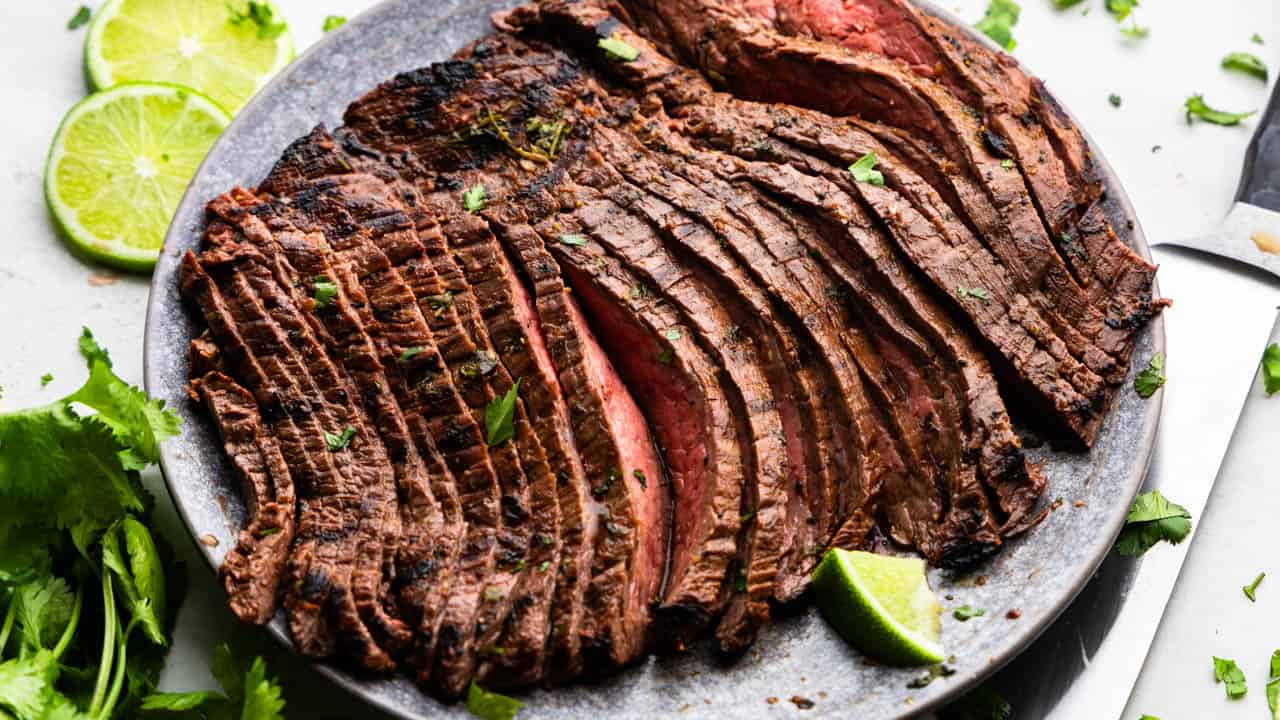
- Fast and Furious: Due to the thinness of the cuts, carne asada cooks quickly. Place the marinated steak directly over the hottest part of the grill. You’ll typically cook it for 3-5 minutes per side, depending on thickness, to achieve a medium-rare to medium doneness. Resist the urge to move it constantly; let it sear to develop that crust.
- Achieving the Char: Don't be afraid of a little char! Those slightly blackened edges are where much of the smoky, caramelized flavor resides. This is the "asada" part of "carne asada."
- The Crucial Rest: Once cooked, transfer the steak to a cutting board and let it rest for at least 5-10 minutes. This allows the juices to redistribute throughout the meat, ensuring every bite is succulent. Skipping this step will result in a dry steak, as all the delicious juices will run out when you cut it.
- Slice Against the Grain: This is paramount for tenderness. Identify the direction of the muscle fibers and slice perpendicularly to them. This shortens the fibers, making the meat much easier to chew. Thin slices are traditional for tacos and burritos, while thicker slices are perfect for a standalone steak.
Serving Suggestions & Beyond the Taco
While carne asada is a staple for tacos, burritos, and cemitas, its versatility extends far beyond. The flavorful, tender beef makes an excellent main course, served simply with traditional Mexican sides. For a classic experience, serve your perfectly grilled carne asada with:- Warm corn or flour tortillas.
- Fresh pico de gallo or a vibrant salsa verde.
- Creamy guacamole or sliced avocado.
- Cilantro and diced white onion for garnish.
- A squeeze of fresh lime juice.
